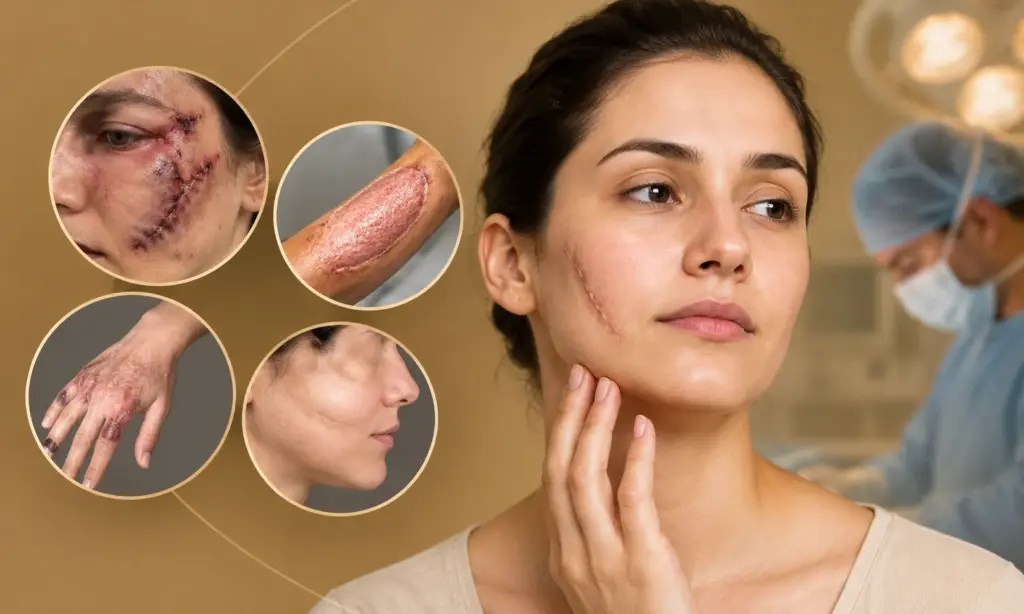
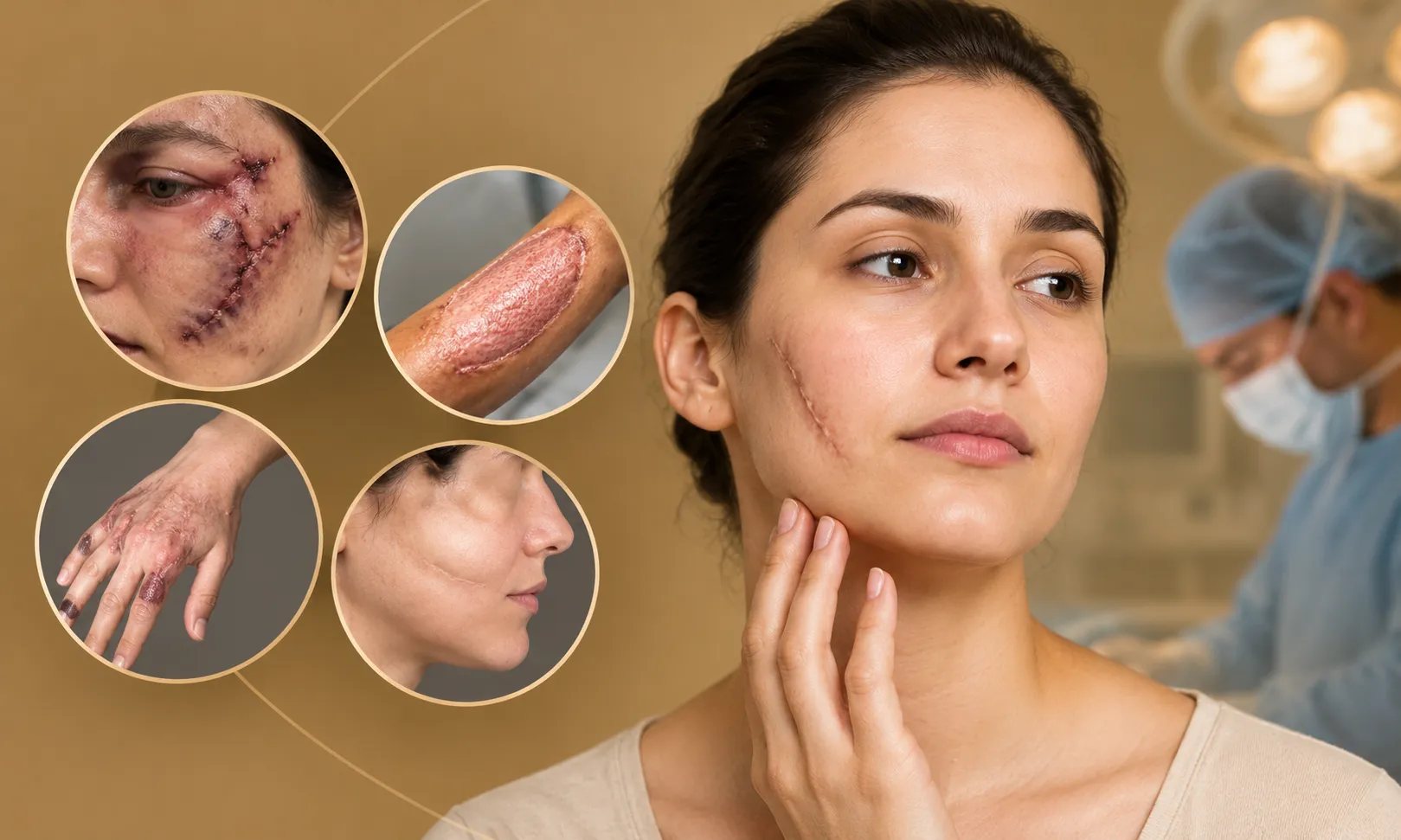
Accidents can cause injuries that affect the skin, muscles, nerves, bones, and other tissues. While emergency treatment focuses on saving lives and stabilising injuries, some patients may need further treatment to restore appearance, movement, and normal body function. This is where reconstructive plastic surgery after an accident may play an important role.
Depending on the severity of the injury, treatment may involve wound repair, skin grafting, flap surgery, scar revision, or reconstruction of damaged facial features. Understanding when reconstructive surgery is needed can help patients and families make informed decisions about recovery.
If you or a family member has sustained an injury, consult a qualified medical professional to understand the available treatment options. Dr. Ankit Aggarwal, Plastic, Reconstructive & Aesthetic Surgeon, provides information about reconstructive and surgical care through his practice in Chandigarh Tricity.
What Is Reconstructive Plastic Surgery?
Reconstructive plastic surgery focuses on repairing damaged tissues and improving body function and appearance following injuries, burns, diseases, or previous surgeries.
After an accident, reconstructive treatment may be needed when an injury causes tissue loss, significant scarring, deformity, or restricted movement. The treatment plan depends on the affected body part, the severity of the injury, the condition of the surrounding tissues, and the patient’s overall health.
Unlike cosmetic surgery, which primarily addresses appearance-related concerns, reconstructive surgery often aims to restore essential functions, such as movement, sensation, or the ability to close the eyes and mouth properly.
When Is Reconstructive Surgery Needed After an Accident?
Not every accident-related injury requires plastic surgery. However, reconstructive surgery may be considered when an injury cannot be adequately repaired with routine wound care or simpler treatment.
- Severe cuts and deep wounds: Injuries that damage skin, muscles, tendons, or other tissues may require specialised repair.
- Facial injuries: Damage to the nose, lips, eyelids, or other facial structures may need reconstruction to restore function and appearance.
- Burn injuries: Deep burns may require skin grafting or other procedures to cover damaged areas and improve healing.
- Skin and tissue loss: Injuries that leave areas without enough healthy skin for closure may need skin grafts or flap reconstruction.
- Nerve or tendon injuries: Certain injuries may require surgical repair to improve movement or sensation.
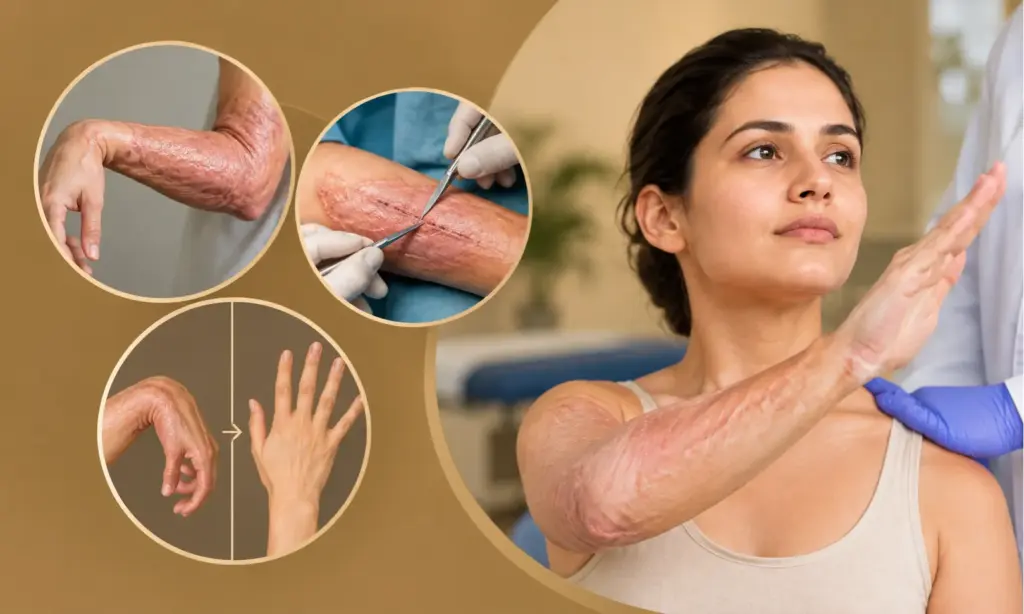
- Restricted movement due to scars: Tight scars can limit movement around the fingers, joints, neck, or other areas and may require corrective treatment.
- Complex wounds: Some injuries need specialised wound management and reconstruction to support healing and protect underlying structures.
Types of Reconstructive Surgery After an Accident
The type of plastic surgery after an accident depends on the injury and the tissues affected.
- Wound repair: Damaged tissues are cleaned and repaired to support healing and reduce the risk of complications.
- Skin grafting: Healthy skin is taken from another area of the body and used to cover a wound where skin has been lost.
- Flap surgery: Skin and sometimes underlying fat, muscle, or other tissue are moved to cover damaged areas. Some flaps retain their original blood supply, while others may require microsurgical reconnection.
- Facial reconstruction: Surgery may repair injuries affecting facial skin and structures, depending on the damage.
- Tendon and nerve repair: Selected injuries may require surgical procedures to restore movement or sensation.
- Scar revision: Once an injury has healed, surgery may be considered for scars that cause functional problems or significant concerns about appearance.
- Contracture release: Tight scar tissue is released when it restricts movement or affects the function of an affected area.
Not every patient needs all these procedures. Some injuries can be managed with dressings, medication, physiotherapy, or other non-surgical treatments.
Facial Reconstruction After an Accident
Facial injuries can affect appearance and essential functions such as speaking, eating, blinking, and breathing. Depending on the injury, facial reconstructive surgery may help repair damaged tissues and restore function.
Treatment may be needed after road accidents, falls, sports injuries, or other traumatic events. Injuries involving the eyelids, lips, nose, or deeper facial tissues require careful assessment because of the structures involved.
The timing of reconstruction depends on the patient’s condition, the extent of tissue damage, and whether the injury requires immediate repair or staged treatment.
If an accident has caused facial injuries or changes in facial function, seek an appropriate medical assessment. You can contact Dr. Ankit Aggarwal to enquire about a consultation for reconstructive treatment options.
Skin Grafting and Flap Surgery
When an accident causes significant skin loss, the wound may not be suitable for direct closure. In such cases, a surgeon may consider skin grafting or flap surgery.
A skin graft uses skin taken from another part of the body to cover the injured area. It can be useful for selected wounds and burn injuries where the wound bed is suitable.
Flap surgery transfers tissue with its blood supply to cover a wound or protect exposed structures. It may be required for deeper injuries involving exposed tendons, bones, or other important tissues.
The choice depends on the wound’s size, depth, location, blood supply, infection status, and the patient’s overall health.
Burn Reconstruction After an Accident
Burns can damage the skin and, in severe cases, deeper tissues. Deep burns may require specialised wound care, skin grafting, or other surgical procedures. After the initial injury has healed, some patients may also need reconstruction for scars or contractures.
Reconstructive surgery after burns may help cover wounds, release tight scar tissue, or improve movement around affected joints. Treatment may take place in stages, depending on the severity of the burn and the patient’s recovery.
Physiotherapy, scar management, and follow-up care may be important parts of the recovery plan.
When Should Reconstructive Surgery Be Performed?
The timing of reconstructive surgery varies. Some injuries require urgent treatment, while others are managed after the patient has been stabilised.
- Emergency repair: Severe bleeding, major tissue damage, or injuries affecting essential structures may require urgent medical and surgical care.
- Early reconstruction: Selected injuries may benefit from repair soon after initial assessment, depending on the condition of the wound and the patient’s health.
- Delayed reconstruction: Surgery may be postponed until swelling reduces, infection is controlled, or damaged tissues become more suitable for repair.
- Scar revision: Procedures for established scars are often considered after the scar has matured, although some functional problems may require earlier intervention.
What to Expect During Recovery
Recovery after reconstructive plastic surgery depends on the type of procedure, the severity of the injury, and the tissues involved. Some patients recover after a single operation, while complex injuries may require multiple procedures.
Recovery may involve:
- Wound dressings and regular follow-up appointments.
- Medication to manage pain or prevent and treat infection when indicated.
- Physiotherapy or occupational therapy to improve movement and function.
- Scar care and protection from excessive sun exposure.
- Avoiding activities that could damage healing tissues.
- Monitoring for complications such as infection, wound breakdown, or problems with a graft or flap.
Follow your surgeon’s instructions and attend scheduled appointments. Seek medical attention if you notice increasing pain, fever, spreading redness, unusual discharge, or sudden changes in the colour or temperature of reconstructed tissue.
Benefits and Limitations of Reconstructive Surgery
Reconstructive surgery after an accident may help close wounds, cover exposed tissues, improve movement, and address certain deformities. It can also support recovery when injuries affect essential functions.
However, results depend on the extent of the original damage, blood supply, scarring, general health, and healing. Surgery may not restore the affected area exactly to its pre-injury condition, and further procedures or rehabilitation may be needed.
Your surgeon should explain the expected benefits, limitations, possible complications, and available alternatives before treatment.
How to Choose a Reconstructive Plastic Surgeon
Choosing an appropriately qualified surgeon is important after a serious injury. Look for recognised specialist training in plastic and reconstructive surgery and experience relevant to the type of injury.
Ask about the proposed procedure, possible risks, recovery time, rehabilitation needs, and whether additional surgeries may be required. For complex injuries, treatment may involve a multidisciplinary team that includes trauma specialists, orthopaedic surgeons, burn specialists, physiotherapists, and other healthcare professionals.
Consult Dr. Ankit Aggarwal for Reconstructive Surgery
If you are considering reconstructive plastic surgery after an accident, you can contact Dr. Ankit Aggarwal, a Plastic, Reconstructive & Aesthetic Surgeon practising in Chandigarh Tricity, to enquire about an assessment.
The appropriate treatment depends on the injury, the stage of healing, and the patient’s overall condition. A consultation can help clarify the possible surgical options, expected recovery, and need for further treatment.
Contact details:
- Doctor: Dr. Ankit Aggarwal
- Speciality: Plastic, Reconstructive & Aesthetic Surgery
- Location: Chandigarh Tricity
- Phone: +91 94636 28269
- Email: ankitaggarwal5995@gmail.com
FAQs About Reconstructive Surgery After an Accident
- When is reconstructive surgery needed after an accident?
It may be needed when an injury causes significant tissue loss, deep wounds, facial damage, burns, restricted movement, or other problems that cannot be adequately treated with routine wound care.
- Can plastic surgery repair facial injuries after an accident?
Yes, selected facial injuries can be repaired through reconstructive procedures. The treatment depends on the affected structures, injury severity, and the patient’s medical condition.
- Is reconstructive surgery always required after an accident?
No. Many injuries heal with routine treatment, wound care, and rehabilitation. Surgery is considered when the injury requires specialised repair or reconstruction.
- What is the difference between skin grafting and flap surgery?
Skin grafting transfers skin to cover a wound, while flap surgery transfers tissue with its blood supply to reconstruct the damaged area.
- Can reconstructive surgery improve accident scars?
Some scars can be improved with scar revision or other treatments, particularly when they restrict movement or affect function. Complete scar removal cannot be guaranteed.
- When can reconstructive surgery be performed after an accident?
Some injuries require immediate repair, while others may be treated after swelling, infection, or other problems are controlled. Timing depends on the injury and the patient’s condition.
- How long does recovery take after reconstructive surgery?
Recovery ranges from weeks to months, depending on the procedure, injury severity, wound healing, and rehabilitation needs. Complex injuries may require staged treatment.
- Which doctor should I consult for reconstructive surgery after an accident?
A qualified plastic and reconstructive surgeon can assess injuries involving skin, soft tissues, facial structures, burns, or scars. Severe or fresh injuries should first be assessed in an emergency department.