Contracture Release Surgery After Burns: When Is It Needed?
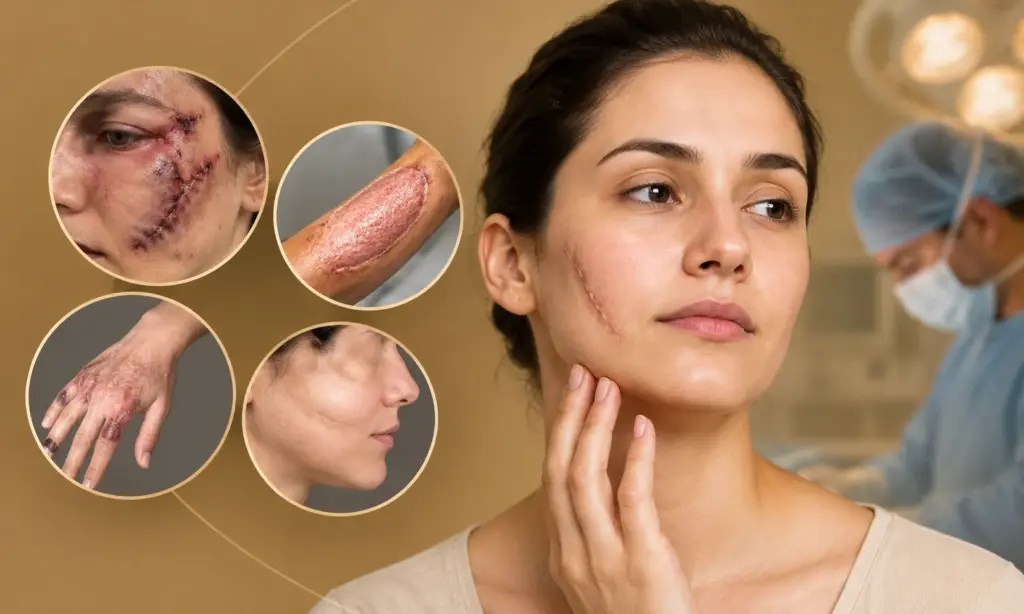
Burn injuries can affect more than the skin. As a burn heals, the resulting scar tissue may become thick, tight, and less flexible. In some cases, this tightness restricts movement and affects daily activities. This condition is known as a burn contracture.
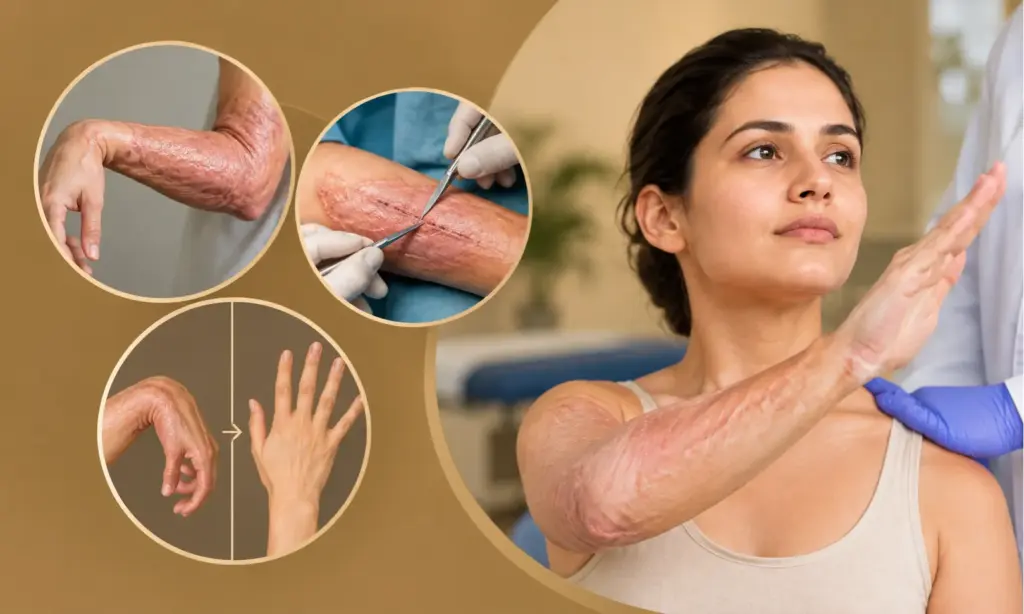
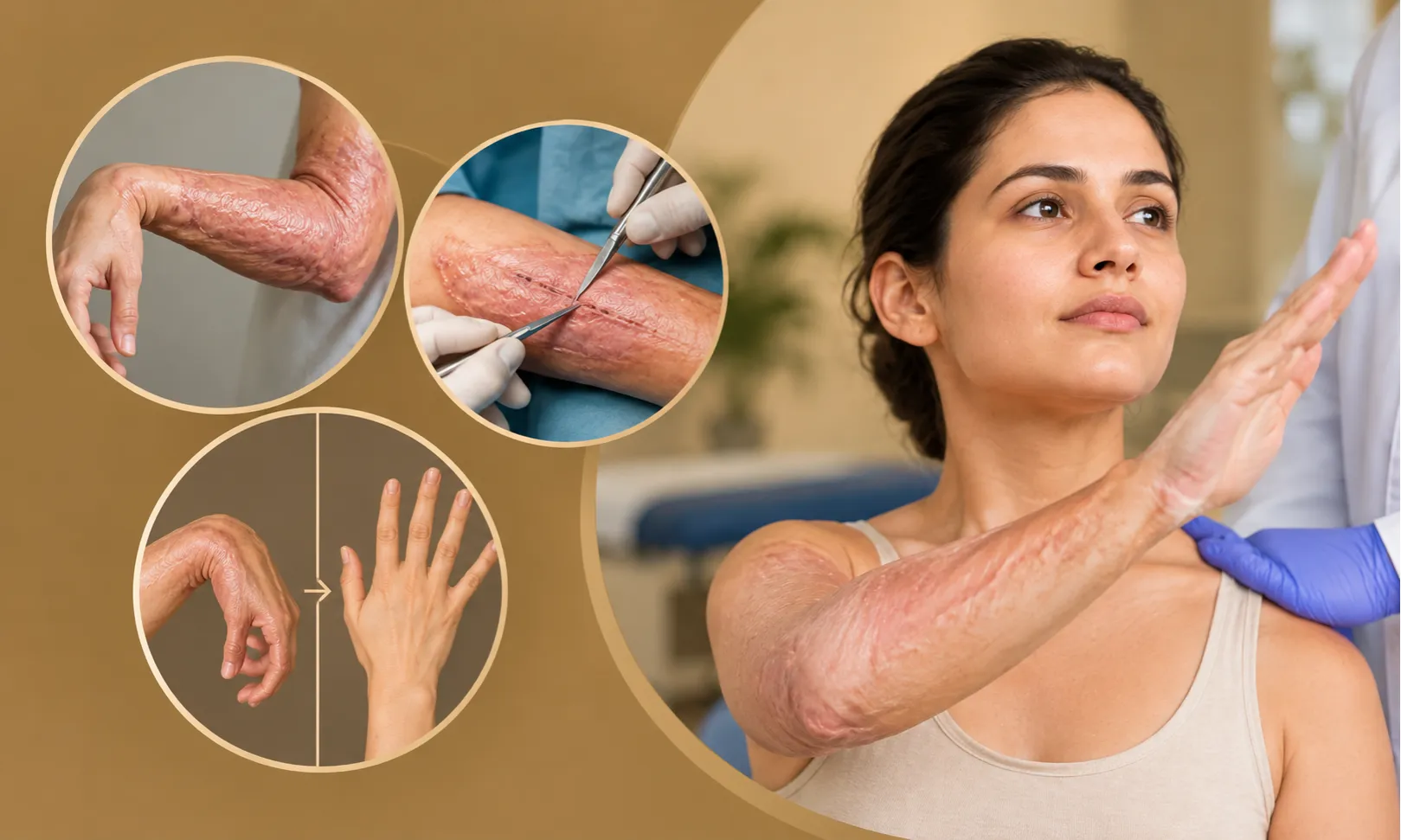
Contracture release surgery after burns may be recommended when tight scar tissue limits movement, causes functional problems, or affects important areas such as the neck, hands, fingers, elbows, or joints. The procedure aims to release the tight tissue and improve flexibility and function.
If a healed burn scar is making it difficult to move or perform routine activities, consult a qualified plastic and reconstructive surgeon to understand the available treatment options.
What Is Contracture Release Surgery?
Contracture release surgery is a reconstructive procedure that loosens tight scar tissue formed after a burn or other injury. Burn scars can shorten as they heal, pulling the surrounding skin and restricting normal movement.
The surgery involves releasing the tight scar tissue and repairing the resulting area using an appropriate technique. Depending on the injury, the surgeon may use skin grafting, local tissue rearrangement, or flap reconstruction.
The main aim is to improve movement and function. Although surgery may also improve the appearance of a scar, it cannot completely remove all burn scars.
When Is Contracture Release Surgery Needed After Burns?
Not every burn scar requires surgery. However, burn contracture release surgery may be considered when scar tissue causes significant functional limitations or does not improve adequately with non-surgical treatment.
Common reasons to consider surgery include:
- Restricted movement: Tight scars make it difficult to bend, straighten, or move a joint normally.
- Neck contractures: Scar tissue pulls the neck downward or limits turning and extension.
- Hand and finger contractures: Tight skin affects gripping, holding objects, or straightening the fingers.
- Joint stiffness: Scarring around the elbows, knees, shoulders, or other joints interferes with movement.
- Facial contractures: Scars affect eyelid closure, mouth opening, or other facial functions.
- Difficulty with daily activities: Scar tightness interferes with dressing, bathing, eating, walking, or routine tasks.
- Persistent scar tightness: The contracture continues to cause functional problems despite appropriate rehabilitation and scar management.
A plastic surgeon evaluates the location and severity of the contracture before recommending surgery.
If a burn scar is restricting movement or affecting daily activities, consider scheduling a consultation with Dr. Ankit Aggarwal, Plastic, Reconstructive & Aesthetic Surgeon in Chandigarh Tricity, to discuss assessment and possible treatment options.
Which Areas May Need Contracture Release Surgery?
Burn contractures can affect different parts of the body, depending on the location and depth of the original injury.
- Neck: Tight scars may limit head movement or pull the chin toward the chest.
- Hands and fingers: Contractures can interfere with gripping, finger extension, and other hand functions.
- Elbows and shoulders: Scar tissue may restrict bending, straightening, or lifting the arm.
- Knees and ankles: Tight scars may affect walking, bending, or other movements.
- Face and mouth: Contractures may interfere with eye closure, mouth opening, or facial movement.
- Armpits: Scars may restrict shoulder movement and make lifting the arm difficult.
Types of Contracture Release Procedures
The appropriate treatment for burn contractures depends on the size, location, and severity of the scar. A surgeon may recommend one of the following procedures.
- Scar release: Tight scar tissue is divided or released to improve flexibility and movement.
- Z-plasty: The surgeon rearranges skin flaps to lengthen a contracted scar and improve movement in selected cases.
- Skin grafting: Healthy skin taken from another part of the body is used to cover the area after the contracture is released.
- Flap reconstruction: Nearby or transferred tissue is used to cover the affected area when additional tissue and blood supply are needed.
- Combined reconstruction: More than one technique may be required for extensive or complex contractures.
When Should Contracture Release Surgery Be Performed?
The timing of contracture release surgery after burns varies from patient to patient. Surgeons consider the stage of healing, scar maturity, severity of movement restriction, and overall health.
Some patients benefit from non-surgical treatment while the scar is developing. Others may need earlier surgical assessment if the contracture severely affects function or causes problems such as restricted eyelid closure.
Surgery may be planned when the scar and surrounding tissues are suitable for reconstruction. However, there is no single waiting period that applies to every patient.
Children may require special consideration because scar contractures can worsen as they grow. Early specialist assessment can help determine the appropriate timing of treatment.
If you or a family member has developed tight scar tissue after a burn, contact Dr. Ankit Aggarwal to enquire about a reconstructive surgery consultation. An individual assessment can help clarify whether continued therapy or surgery may be appropriate.
Can Burn Contractures Be Treated Without Surgery?
Some burn scars can be managed without an operation, particularly when movement restriction is mild or the scar is still developing. Non-surgical treatment may also be used alongside surgery.
Depending on the condition, treatment options may include:
- Physiotherapy and occupational therapy: Exercises help maintain or improve movement and support daily function.
- Splinting: A prescribed splint helps maintain a suitable position and prevent further tightening.
- Pressure garments: These may be recommended for selected healing burns to help manage raised scars.
- Silicone-based scar treatments: These may help manage certain raised scars when recommended by a healthcare professional.
- Scar rehabilitation: A structured programme may include stretching, positioning, and other scar-management measures.
What Happens During Contracture Release Surgery?
Before surgery, the surgeon examines the scar, assesses movement, reviews medical history, and discusses the expected benefits and risks.
The procedure is generally performed under anaesthesia, with the type depending on the location and complexity of the contracture. The surgeon releases the tight scar tissue and reconstructs the resulting area using the most suitable technique.
After surgery, the patient may require dressings, splints, wound monitoring, and a rehabilitation programme. The exact approach depends on the procedure and the body part treated.
Recovery After Contracture Release Surgery
Recovery after burn contracture release surgery depends on the size of the affected area, the surgical technique, and individual healing.
Patients may need several weeks or longer for wound healing, while regaining movement and flexibility can take additional time. Complex cases may require staged procedures and extended rehabilitation.
Recovery may involve:
- Keeping the surgical area clean and following wound-care instructions.
- Attending follow-up appointments to monitor healing.
- Using prescribed splints or positioning devices.
- Performing recommended stretching and movement exercises.
- Avoiding activities that place excessive strain on the healing area.
- Following scar-management advice from the treating team.
Physiotherapy and occupational therapy are often important for maintaining the improvement achieved through surgery. Follow your surgeon’s instructions rather than relying on a general recovery timeline.
Planning for recovery is an important part of reconstructive treatment. During your consultation with Dr. Ankit Aggarwal, ask about rehabilitation, follow-up visits, and the measures needed to support long-term movement and function.
Risks and Possible Complications
Like other surgical procedures, contracture release surgery carries potential risks. These may include:
- Bleeding or infection.
- Delayed wound healing.
- Scarring or changes in skin appearance.
- Problems with skin graft or flap healing.
- Recurrence of scar tightness.
- The need for further surgery or additional rehabilitation.
How to Choose a Reconstructive Plastic Surgeon
Choosing an appropriately qualified surgeon is important when considering contracture release surgery after burns. Look for relevant specialist training and experience in burn reconstruction and scar contracture management.
Before proceeding, ask about the proposed technique, expected functional improvement, possible complications, recovery period, and rehabilitation requirements. You should also understand whether additional procedures may be needed.
Consult Dr. Ankit Aggarwal for Burn Contracture Treatment
If a burn scar is restricting movement or affecting your daily routine, you can contact Dr. Ankit Aggarwal, Plastic, Reconstructive & Aesthetic Surgeon in Chandigarh Tricity, to enquire about an assessment.
The appropriate treatment depends on the location and severity of the contracture, scar maturity, and your overall health. A consultation can help you understand the available options, including scar management, rehabilitation, and surgical reconstruction where appropriate.
Contact details:
- Doctor: Dr. Ankit Aggarwal
- Speciality: Plastic, Reconstructive & Aesthetic Surgery
- Location: Chandigarh Tricity
- Phone: +91 94636 28269
- Email: ankitaggarwal5995@gmail.com
FAQs About Contracture Release Surgery After Burns
- What is contracture release surgery after burns?
It is a reconstructive procedure that releases tight scar tissue formed after a burn to improve movement, flexibility, and function.
- When is burn contracture release surgery needed?
It may be considered when scar tissue restricts joint movement, affects daily activities, interferes with facial function, or does not improve adequately with non-surgical treatment.
- Can all burn contractures be treated without surgery?
No. Mild contractures may benefit from rehabilitation and scar management, but more severe or established contractures may require surgical release.
- Which body parts are commonly affected by burn contractures?
The neck, hands, fingers, elbows, shoulders, knees, ankles, and face may be affected, depending on the location of the original burn.
- How long does recovery take after contracture release surgery?
Recovery varies according to the procedure and severity of the contracture. Wound healing may take weeks, while movement rehabilitation can continue for months.
- Can a burn contracture return after surgery?
Yes. Scar tissue can tighten again in some cases. Rehabilitation, follow-up care, and appropriate scar management can help support the surgical outcome.
- Does contracture release surgery remove burn scars completely?
No. The procedure aims to release tight tissue and improve function. It may improve scar appearance, but complete scar removal cannot be guaranteed.